Huntsville, US
1:59 AM,
Oct 28, 2026
L: 51°
H: 55°
Compassionate senior care, local assisted living communities, and practical advice for families navigating senior living in Huntsville. Find the right level of support, understand care costs, and compare local options to help your loved one feel safe, comfortable, and connected. No quote farms. No spam. No out-of-state call centers.
Tell us about your loved one’s care needs, preferences, and budget, and we’ll help connect you with top Huntsville senior care providers that may be a good fit.
Share a few details about daily living assistance, medication management, mobility, memory care, and preferred living arrangements.
We help families discover Huntsville-area senior living communities and care providers that offer services suited to their loved one's needs.
Review available care, living arrangements, staffing, activities, pricing, and community amenities before deciding which options to visit.
Call now to get you free quote!
Assisted living offers housing and personal care for older adults who need help with some daily activities but may not require the intensive medical care provided by a nursing home.
Depending on the community, services may include:
Recognizing when an older adult needs additional support can help families make informed decisions before a crisis occurs.
Common signs include:
Difficulty bathing or getting dressed independently
Missed medications or medical appointments
Frequent falls or mobility concerns
Unintentional weight loss or skipped meals
Increasing isolation or loneliness
Difficulty maintaining a clean and safe home
Memory changes affecting daily routines
Caregiver stress becoming difficult to manage
A conversation with a healthcare professional can help determine whether assisted living, in-home care, or another care arrangement is appropriate.
The cost of assisted living depends on the community, room type, care needs, and services included.
Expense | Typical Planning Range |
|---|---|
Base monthly assisted living fee | $3,000–$5,500 |
Higher levels of personal care | Additional monthly fees may apply |
Memory care | Often $4,000–$7,000+ monthly |
Community entrance or move-in fees | Varies by provider |
Medication management | May be included or billed separately |
Personal supplies and optional services | Varies by resident |
These are broad planning estimates, not verified current quotes for individual Huntsville facilities. Request an itemized cost breakdown directly from each community before making a decision.
Several factors influence the amount families pay each month:
Level of care: Residents who need more help with daily activities may pay higher fees.
Room type: Private apartments generally cost more than shared accommodations.
Memory care: Specialized supervision and programming may carry additional costs.
Included services: Meals, housekeeping, transportation, and medication support vary by facility.
Community amenities: Dining options, activities, and additional services can affect pricing.
Always ask whether the quoted rate includes the level of assistance your loved one currently needs and how charges might change as care needs increase.
The right care arrangement depends on an older adult’s independence, health needs, safety, and personal preferences.
Care Option | Best Suited For |
|---|---|
Independent living | Seniors who manage daily activities independently |
Assisted living | Seniors who need help with everyday activities |
Memory care | People with dementia or other cognitive conditions who need specialized support |
In-home care | Seniors who want to remain at home with assistance |
Skilled nursing care | People who require more intensive nursing or medical care |
Adult day services | Seniors who benefit from daytime supervision and activities |
Some seniors transition between care types as their needs change. Ask prospective providers whether they offer additional levels of care or can help coordinate a transition if necessary.
A community’s appearance matters, but the quality and consistency of care are just as important.
During visits, evaluate:
Staff availability and responsiveness
Cleanliness and maintenance
Residents’ comfort and engagement
Meal quality and dietary accommodations
Medication management procedures
Safety features and fall-prevention measures
Activity schedules and social opportunities
Transportation and appointment support
Visiting policies and family communication
Additional fees and contract terms
Whenever possible, visit more than once, speak with staff and residents, and observe the community during a meal or scheduled activity.
Families should ask additional questions if they notice:
Unclear or frequently changing pricing
Staff who cannot explain care plans
Poor cleanliness or maintenance
Residents who appear unattended
Limited communication with families
Unclear medication procedures
Vague emergency response plans
Pressure to sign a contract immediately
Restrictions that are not explained in writing
No clear process for complaints or concerns
Ask to review the residency agreement, care plan, policies, and any available inspection or licensing information before making a commitment.
Before signing an agreement, consider asking:
Different communities provide different levels of assistance. Understanding the distinctions can help families avoid choosing a facility that cannot meet their loved one’s needs. Confirm the specific services, staffing arrangements, and eligibility requirements with each provider.
Service |
What It May Include |
|---|---|
|
Personal care |
Help with bathing, dressing, grooming, and mobility |
|
Medication assistance |
Reminders, administration, or management within the facility's permitted scope |
|
Dining services |
Regular meals, snacks, and dietary accommodations |
|
Housekeeping |
Cleaning, laundry, and linen changes |
|
Smoke detectors |
Specialized routines, supervision, and dementia-focused activities |
|
Wellness programs |
Exercise, recreation, and social engagement |
|
Transportation |
Rides to appointments, shopping, and community activities |
|
Respite care |
Temporary stays or short-term caregiver relief, where offered |
Moving into assisted living can be an emotional adjustment for seniors and their families. Planning ahead can make the transition more comfortable.
Review the residency agreement and care plan.
Confirm medication and medical-record requirements.
Ask what furniture and personal items are permitted.
Label clothing and belongings.
Arrange transportation and move-in logistics.
Discuss preferences, routines, and dietary needs with staff.
Visit regularly while allowing time to adjust.
Encourage participation in activities that match existing interests.
Keep familiar photographs and personal belongings nearby.
Communicate concerns with the care team.
Review whether the services provided match the agreed care plan.
A thoughtful transition plan helps preserve independence, familiarity, and dignity while introducing the support needed for everyday life.
Families often combine several financial resources to cover senior living expenses. Eligibility and coverage depend on individual circumstances and the specific program.
Potential resources to investigate include:
Personal savings and retirement income
Long-term care insurance, if the policy covers eligible services
Veterans’ benefits for eligible individuals
Medicaid programs that may cover certain eligible services, subject to Alabama’s rules
Family financial planning and other available benefits
Medicare generally does not cover ongoing custodial assisted living room and board. Before relying on any benefit, confirm current eligibility, coverage limits, and participating providers with the relevant program or insurer.
Shop top-tier home improvement solutions with expert support, and a seamless buying experience at The Trade Table.
Assisted living in Huntsville comes with its own set of considerations. North Alabama’s growing senior population, access to healthcare, family proximity, and range of housing options can all influence the search for the right community. Older adults may need help with daily activities, medication routines, meals, mobility, or social connection, while families must balance care quality, affordability, location, and peace of mind.
Whether you’re planning ahead for retirement, exploring additional support for a parent, or looking for a community that can accommodate changing care needs, understanding local options and knowing what to expect from an assisted living provider can help you make a more informed decision.
We keep this guide current because we live here. It’s written specifically for families in Huntsville and Madison County, not based on national averages or generic senior living advice.
These are senior care providers serving the Huntsville area that families can explore when comparing assisted living, residential senior living, and in-home support. Each serves a different purpose, so confirm that the provider’s services match your loved one’s needs before arranging a visit.
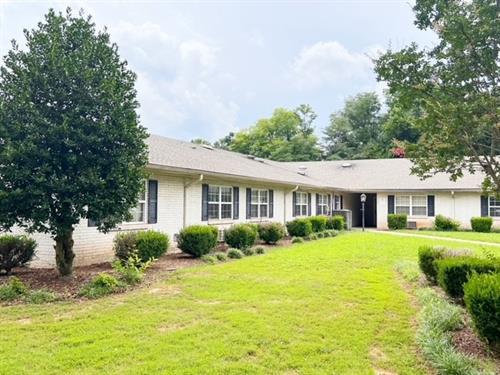
Regency Retirement Village offers assisted living in Huntsville in a community designed to support seniors with daily activities, personal care, and social engagement. The community promotes a welcoming environment with around-the-clock support and opportunities for residents to maintain meaningful routines and connections.
For families looking for a senior living community that combines residential living with personalized assistance and access to staff support, Regency Retirement Village is an option to explore.
Address: 2004 Max Luther Drive NW, Huntsville, AL 35810
Phone: (256) 852-0033
Website: regencyhuntsville.com
Cavalier Senior Living provides management and operational support for senior living communities, with experience in assisted living and memory care services across its communities. Its work focuses on helping senior living providers maintain operations and create supportive environments for residents.
Because Cavalier Senior Living is a senior living management organization, families should confirm which specific communities it operates in or serves near Huntsville and contact those locations directly about availability, care options, and pricing.
For families researching senior living organizations and communities offering assisted living or memory care, Cavalier Senior Living may be a useful starting point.
Amedisys provides healthcare services in the home, including home health and hospice care for eligible patients. These services differ from residential assisted living, but they may be relevant to families exploring ways for an older adult to receive healthcare support while remaining in their own home or senior living residence, where services are permitted.
The types of care available depend on clinical needs, eligibility, and the local service area. Families should contact the Huntsville office to confirm which services are currently available and whether a referral or healthcare assessment is needed.
For families considering home-based healthcare as an alternative or complement to residential senior care, Amedisys is an option to investigate.
Address: 250 Chateau Drive, Suite 245, Huntsville, AL 35801
Phone: (256) 885-1665
Website: amedisys.com
Homely Huntsville curates these recommendations independently. When you contact a provider through our directory or submit an inquiry, we may share your information with relevant providers so they can follow up. We’re not affiliated with these businesses and don’t control how or when they contact you.
Assisted living costs depend on the facility, room type, level of care, and included services. A broad planning range is approximately $3,000–$5,500 per month, but families should request current, itemized quotes from individual communities.
Many communities provide housing, meals, housekeeping, activities, and assistance with daily living. Medication management, transportation, and higher levels of personal care may be included or billed separately.
Assisted living generally supports people who need help with everyday activities but do not require continuous skilled nursing care. Nursing homes provide more intensive nursing and medical support for people whose needs require that level of care.
Medicare generally does not cover assisted living room and board or ongoing custodial care. It may cover certain eligible medical services separately, depending on the circumstances. Confirm coverage with Medicare and the provider before making financial decisions.
Difficulty managing medications, bathing, meals, mobility, household tasks, or personal safety may indicate that additional support is needed. A healthcare professional can help assess care needs and discuss appropriate options.
Yes. Memory care is designed for people with dementia or other cognitive conditions who need specialized supervision, routines, and support. Some communities offer dedicated memory care programs, while others do not.
Ask about staffing, care plans, medication procedures, emergency response, meals, activities, monthly fees, additional charges, and what happens if your loved one’s needs increase.
Many communities allow residents to personalize their rooms or apartments, but rules differ. Ask about furniture dimensions, electrical items, decorations, and other move-in requirements.
Some communities offer both assisted living and memory care, which may make transitions easier. Availability, eligibility, and additional costs vary, so ask how changes in care needs are handled.
Compare care services, staffing, cleanliness, activities, safety, resident experience, location, contract terms, and total monthly cost. Visit multiple communities and request written estimates before deciding.
Huntsville, Madison, Hampton Cove, Harvest, Meridianville, New Market, Owens Cross Roads, and the surrounding Madison County communities.

Copyright © 2026 Homely Huntsville | All Rights Reserved
Copyright © 2026 Homely Huntsville. All Rights Reserved.