
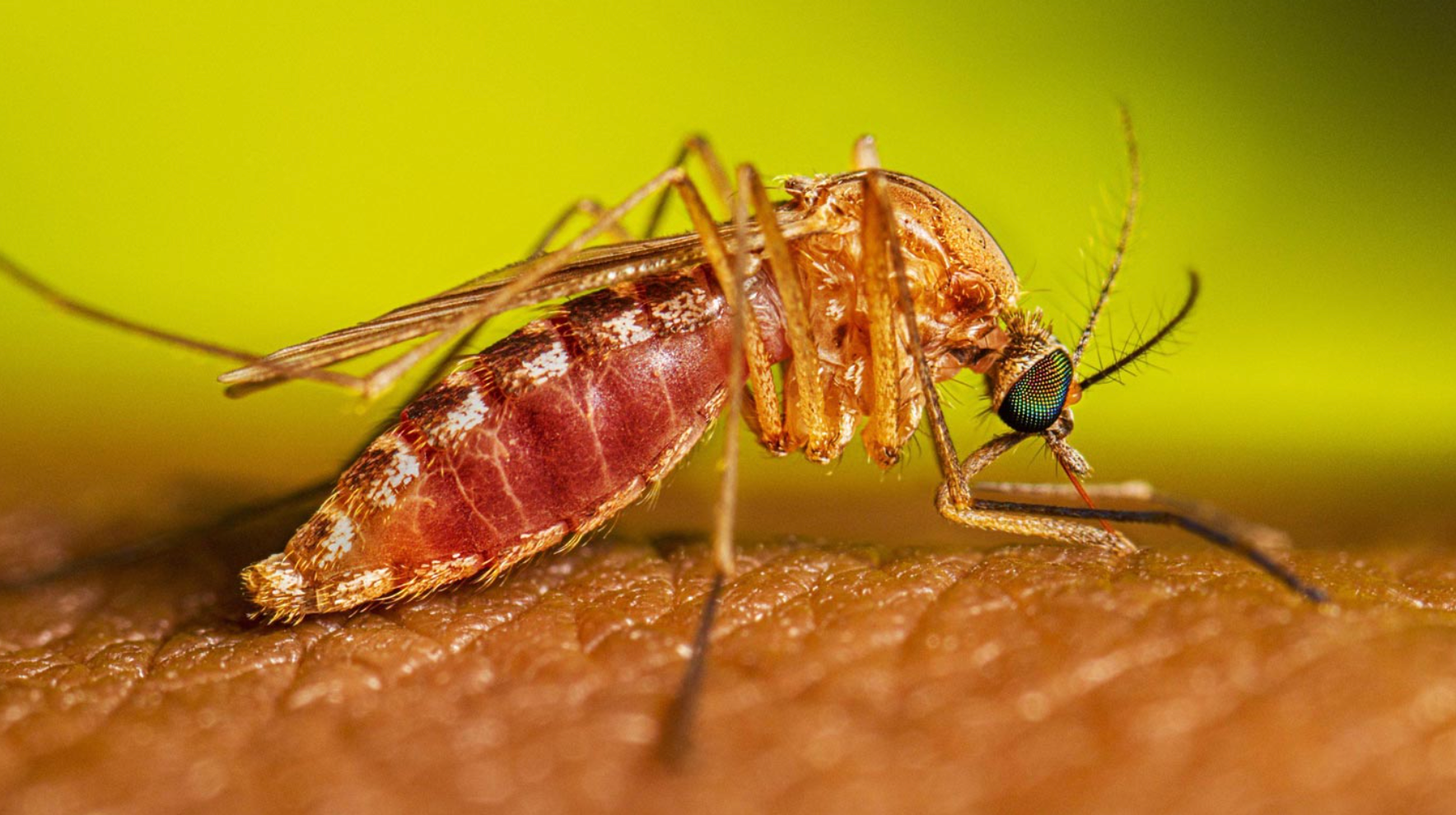

A University of Alabama in Huntsville researcher has received a $3.67 million grant from the National Institutes of Health to advance potential treatments for mosquito-borne alphaviruses, a group of viruses that can cause severe illness and neurological complications.
Dr. Victor Ogungbe, an associate professor of chemistry and UAH alumnus, will lead the five-year research project. The study will investigate compounds designed to stop viral replication and potentially protect the blood-brain barrier, which helps shield the brain from harmful substances and pathogens.
Research targets a key protein involved in viral replication
The project focuses on small-molecule inhibitors that target the protease domain of nonstructural protein 2, or nsP2, which plays an important role in alphavirus replication.
The protein acts like molecular scissors, cutting viral proteins into the pieces needed for the virus to reproduce. By blocking its activity, researchers hope to identify compounds that can prevent the virus from multiplying.
Previous studies have shown that the compounds under investigation can inhibit alphavirus replication in cell cultures and protect mice from infection. The new project will build on those findings through studies aimed at improving the compounds’ effectiveness and evaluating their potential for further development.
Ogungbe’s team will also collaborate with Professor Aarthi Narayanan of George Mason University.
UAH team investigates ways to protect the blood-brain barrier
Another major focus is determining whether the potential treatments can help preserve the blood-brain barrier during alphavirus infections.
The barrier controls the movement of substances between the bloodstream and the brain. Severe viral infections can trigger inflammation that weakens its protective function, potentially contributing to brain swelling and other neurological injuries.
To study this process, researchers will use organ-on-a-chip models that replicate key features of human biological tissues. These laboratory systems will allow the team to monitor barrier permeability and viral particle levels while testing different inhibitors and doses over extended periods.
Ogungbe said the models offer research capabilities that are difficult and costly to achieve through animal studies, particularly when repeated sampling is needed.
Five-year NIH grant supports antiviral and biodefense research
The five-year R01 award will support efforts to improve promising compounds through structure-activity studies and animal model testing, while also examining their effects on blood-brain barrier integrity.
The research addresses a significant public health challenge. Alphaviruses are transmitted by mosquitoes, and some can cause severe neurological disease or prolonged joint pain. There are currently no vaccines or therapeutics approved for human use against the viruses discussed in the project.
The work could also contribute to biodefense preparedness by expanding potential medical countermeasures against dangerous viral threats.
Ogungbe said the team hopes to develop interventions that could be scaled up quickly if needed. The project will work toward refining candidate compounds and building the scientific evidence needed to advance potential treatments for alphavirus infections.
Sign up for the Homely Huntsville newsletter to stay up to date on Huntsville.